Introduction
A good night’s sleep can make a significant difference during an outdoor trip. Whether the plan involves a weekend at a campground, a family camping trip, a backpacking route, or a night spent outdoors while traveling, having an appropriate sleeping system is an important part of preparation. Unlike an ordinary blanket, a sleeping bag is designed to surround the sleeper and help retain body heat while providing a practical way to create a personal sleeping space away from home.
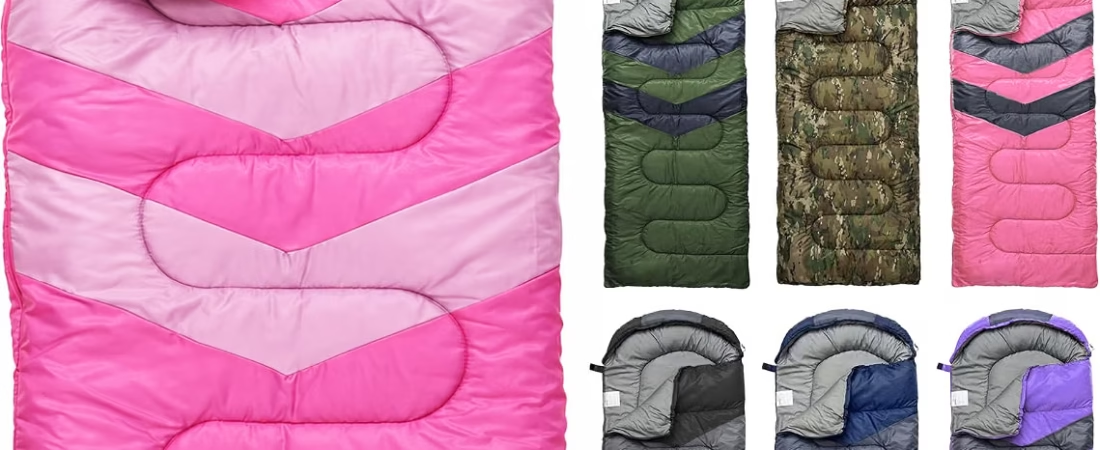
The MalloMe Sleeping Bags for Adults and Kids are designed for outdoor sleeping and are marketed for activities such as camping, backpacking, hiking, and travel. The product range includes options intended for adults as well as children, including younger campers in the approximately 10–12 age range. Its lightweight and compact-oriented design is intended to make transportation and storage more convenient for people who need portable bedding.
A sleeping bag, however, should not be selected simply because a product description includes terms such as “cold weather,” “warm,” or “lightweight.” Outdoor sleeping conditions can vary considerably. Temperature, wind, humidity, elevation, shelter, sleeping-pad insulation, clothing, and individual sensitivity to cold all influence how comfortable a person may be overnight.
The same applies to children. A sleeping bag for a younger camper needs to be considered in relation to the child’s height, body size, sleeping habits, and the conditions expected at the campsite. Age can be a useful reference, but it should not replace checking the manufacturer’s dimensions and recommendations.
This guide takes a practical look at MalloMe sleeping bags and the broader considerations involved in choosing portable outdoor bedding. It explains key characteristics, potential uses, who may find this type of sleeping bag useful, factors to consider before selecting one, and differences between common sleeping-bag categories.
The goal is not to treat any single sleeping bag as suitable for every situation. Instead, understanding how sleeping bags work and how they fit into a larger camping system can help users make more informed choices.
Key Features
Designed for Camping and Outdoor Sleeping
The fundamental purpose of a sleeping bag is to provide an enclosed sleeping environment when traditional bedding is not available.
MalloMe sleeping bags are positioned for outdoor activities including camping, hiking, and backpacking. This makes the product relevant to people who need portable bedding that can be transported from home to a campsite.
A sleeping bag can also be useful for situations beyond traditional tent camping. Depending on the environment and the specific model, it may be used during outdoor travel, camping trips, sleepovers, cabin stays, and other situations where portable bedding is convenient.
The most appropriate use depends on the model’s specifications and the expected environmental conditions.
Adult and Children’s Options
One of the notable aspects of the MalloMe range is that it is presented with options for adults and children.
This can be useful for families who regularly camp together. Instead of trying to adapt one sleeping system to everyone, each person can use a sleeping bag that corresponds more closely to their body size.
For children, appropriate sizing is particularly important. A sleeping bag that is designed around a smaller body can reduce excess space and make the sleeping environment easier for a young camper to manage.
Parents should always check the exact dimensions of the selected version rather than relying solely on the age range shown in a product title.
Lightweight Construction
Weight becomes increasingly important when camping equipment has to be carried over a distance.
For car camping, an additional pound or two may have little practical effect. During backpacking, however, the sleeping bag becomes part of the load carried throughout the day.
A lightweight sleeping bag can therefore make it easier to organize a backpacking setup around other necessities such as food, water, clothing, shelter, cooking equipment, and navigation gear.
Lightweight construction can also be convenient for children because bulky outdoor equipment may be more difficult for them to carry or organize independently.
Compact Storage
A sleeping bag must be relatively large when opened, but its packed size can be much smaller.
Compact storage is useful when transporting camping equipment in a vehicle, backpack, closet, storage box, or travel bag.
For backpackers, packed volume can be just as relevant as weight. A sleeping bag that occupies a large portion of the available pack space can affect where other equipment is stored.
For families, compact storage can also make it easier to keep several sleeping bags together between trips.
Portable Sleeping System
A sleeping bag essentially combines a sleeping surface and blanket-like coverage into one portable item.
This can simplify camping preparation because the user does not need to carry conventional sheets and blankets.
The sleeping bag can be rolled or packed for transport and then opened at the campsite.
This portability is one reason sleeping bags remain a common part of camping equipment despite the wide variety of outdoor sleeping products available today.
Intended Cold-Weather and Warm-Weather Use
The product title references both cold-weather and warm sleeping applications, but temperature suitability should always be evaluated using the specifications of the particular model or variant.
Sleeping bags differ in insulation levels, dimensions, construction, and temperature guidance.
A bag designed for cooler conditions may become uncomfortable during a warm summer night. Conversely, a lightweight bag intended for mild conditions may not provide enough insulation for colder environments.
The expected nighttime temperature should therefore be one of the first things considered when selecting a sleeping bag.
Understanding Sleeping Bag Temperature Ratings
Temperature ratings can be confusing because they do not necessarily mean that every user will experience the same level of comfort at a particular temperature.
Comfort Depends on the Individual
People differ in how they respond to cold.
Body size, metabolism, clothing, sleeping position, fatigue, hydration, and personal sensitivity can all influence perceived temperature.
Two people using the same sleeping bag in the same campsite may therefore have different experiences.
Weather Conditions Change
A forecasted nighttime temperature is useful, but outdoor conditions involve more than a single number.
Wind can increase heat loss. Humidity can influence comfort. Elevation can produce colder nighttime conditions. Rain can create additional problems if clothing or sleeping equipment becomes wet.
A suitable sleeping bag should be selected with the actual environment in mind rather than relying on a minimum temperature as a target.
Sleeping Pads Are Important
The sleeping bag is only one part of the sleep system.
The ground beneath a person can conduct heat away from the body. A sleeping pad adds insulation between the sleeper and the ground while also providing cushioning.
For cold-weather camping, the insulation characteristics of the sleeping pad can have a meaningful impact on overall nighttime comfort.
Clothing Can Affect Warmth
Appropriate dry clothing can contribute to comfort inside a sleeping bag.
Cold-weather campers may use dry base layers, socks, and other suitable clothing depending on conditions.
Wet clothing, on the other hand, can make sleeping significantly less comfortable.
A sleeping bag should therefore be considered alongside clothing rather than as a standalone solution.
How It Can Be Used
Family Camping
Family camping is one of the most natural applications for a sleeping bag designed for both adults and children.
Parents can prepare individual sleeping bags for each member of the family and adjust the rest of the sleep system according to the weather.
Children may enjoy having their own dedicated sleeping space, while adults can choose a size appropriate to their own dimensions.
Before a first camping trip, children can also become familiar with the sleeping bag at home. Learning how the zipper works, how to get inside, and how to open the bag from the inside can make the campsite routine easier.
Backpacking
Backpacking places greater emphasis on weight and packed size.
When equipment is carried over several miles, every item contributes to the total load. A compact sleeping bag can therefore be easier to integrate into a backpack than bulky conventional bedding.
Before leaving for a trip, it is useful to pack the sleeping bag alongside the rest of the equipment to determine how much space it occupies.
This can also help identify whether the backpack has enough room for food, water, clothing, shelter, and emergency supplies.
Hiking Trips With Overnight Stops
A hiking trip does not necessarily have to involve a traditional campground.
Some routes involve overnight shelters, designated backcountry campsites, or other approved sleeping locations.
A sleeping bag can provide portable bedding in these environments.
Hikers should always follow local regulations regarding where overnight camping is permitted and should prepare according to the expected weather and terrain.
Car Camping
Car camping generally provides more flexibility than backpacking because equipment does not have to be carried as far.
A sleeping bag can be stored in a vehicle until it is needed, making packed weight less important.
This allows campers to combine a sleeping bag with additional comfort items such as pillows, thicker sleeping pads, blankets, and other camping accessories.
Children’s Camping Trips
Children may use sleeping bags during family trips, organized camping activities, or age-appropriate outdoor experiences.
A correctly sized sleeping bag can make it easier for a child to settle into their own sleeping space.
Adults should consider the child’s ability to operate the zipper and move comfortably inside the bag.
Young campers should also be monitored appropriately, particularly in cold or rapidly changing weather.
Travel and Portable Bedding
Sleeping bags can sometimes be useful during travel where portable bedding is required.
Examples may include cabin trips, outdoor festivals, road trips, or stays in locations where bedding arrangements are uncertain.
The compact nature of a sleeping bag can make it easier to transport than a conventional set of blankets.
Who It May Be Suitable For
Adult Campers
Adults who participate in camping and outdoor recreation can consider an appropriately sized MalloMe sleeping bag as part of their camping system.
The most suitable configuration depends on the user’s size, expected temperature, preferred sleeping position, and transportation method.
Families
Families can benefit from having sleeping equipment designed around different body sizes.
An adult and child do not necessarily require identical sleeping bags. Separate options can make it easier to organize a comfortable sleeping environment for each person.
Children
The availability of children’s options makes this type of product relevant to younger campers.
The correct size should be determined from the manufacturer’s dimensions rather than assuming that every child within a certain age range will fit identically.
Casual Campers
People who camp occasionally may prefer a sleeping bag that can be used for several types of outdoor trips rather than purchasing highly specialized equipment.
A general-purpose sleeping bag can be useful for weekend camping, family outings, and other mild outdoor activities when its temperature characteristics match the conditions.
Backpackers
Backpackers may place greater emphasis on compactness and weight.
For longer trips, these characteristics can affect the overall carrying experience and how much room remains for other equipment.
Important Things to Consider
Select the Appropriate Size
Fit matters.
A sleeping bag that is too short can restrict movement and make sleeping uncomfortable. A bag that is substantially larger than necessary may contain more unused internal space.
For children, the size question is particularly important because a child’s proportions can differ significantly from those of an adult.
Check the product dimensions and intended height range before selecting a specific version.
Consider the Expected Temperature
Temperature suitability should be based on the actual conditions expected during the trip.
Do not assume that a sleeping bag marketed for “cold weather” is automatically appropriate for every cold environment.
Nighttime temperatures can be substantially lower than daytime temperatures, especially in mountains, deserts, and areas with clear skies.
When in doubt about the conditions, appropriate planning and additional insulation are preferable to relying on a product label alone.
Think About the Sleeping Pad
A sleeping bag cannot provide the entire insulation system by itself.
A suitable sleeping pad can reduce heat transfer to the ground and improve comfort.
For cold-weather trips, selecting the sleeping bag and sleeping pad as a combined system is more useful than evaluating the sleeping bag in isolation.
Consider the Shelter
A tent or other shelter protects against wind, rain, snow, and other environmental exposure.
A sleeping bag placed in an exposed environment may not provide the same level of protection as one used inside a suitable shelter.
Ventilation also matters. Excess moisture from breathing and perspiration can contribute to condensation inside enclosed shelters.
Consider Sleeping Position
Sleeping bags vary in shape and internal space.
People who sleep on their side or move frequently may prefer more room. Others may prefer a closer-fitting design.
Before selecting a sleeping bag, consider how the intended user normally sleeps.
Check Zipper Operation
Zippers are a practical detail that can have a significant effect on everyday use.
A sleeping bag should be easy enough to open and close without excessive effort.
For children, zipper operation is particularly important. Practicing at home can help young campers become comfortable with the mechanism before using it outdoors.
Consider Storage
The way a sleeping bag is stored can affect its long-term condition.
Users should follow the manufacturer’s storage recommendations rather than assuming that permanent compression is appropriate for every sleeping bag.
After camping, the bag should generally be allowed to dry completely before long-term storage.
Moisture Management
Moisture is one of the main challenges in outdoor sleeping.
Rain, wet ground, condensation, and perspiration can all introduce moisture into a camping system.
Keeping the sleeping bag dry should be a priority. Use an appropriate shelter, avoid placing the bag directly on wet ground, and allow it to air out after use when conditions permit.
Comparing General Sleeping-Bag Categories
Sleeping bags are not all designed around the same priorities. Understanding the broad categories can make it easier to identify which type fits a particular trip.
Rectangular Sleeping Bags
Rectangular sleeping bags provide a relatively open sleeping area.
They can be useful for casual camping because the additional interior space can allow more freedom of movement.
The larger shape can, however, create more internal space that needs to be warmed, and the overall packed size may be greater than more streamlined designs.
Mummy-Style Sleeping Bags
Mummy-style bags typically taper toward the feet and fit more closely around the body.
This shape is commonly associated with backpacking and cooler environments because it can reduce unnecessary internal space.
The narrower shape may feel less spacious for people who prefer to move around while sleeping.
Lightweight Backpacking Sleeping Bags
Backpacking sleeping bags focus heavily on reducing weight and packed volume.
They are designed for people who carry their equipment over longer distances.
The emphasis on weight can sometimes involve trade-offs in interior space, materials, or features compared with larger recreational sleeping bags.
Cold-Weather Sleeping Bags
Cold-weather models generally use more insulation or specialized construction to accommodate lower temperatures.
They can be useful for colder camping conditions but may be heavier and bulkier.
Using a heavily insulated sleeping bag in warm weather can result in discomfort.
Kids’ Sleeping Bags
Children’s sleeping bags are generally designed around smaller body dimensions.
A properly sized children’s bag can provide a more suitable sleeping environment for a young camper.
When choosing one, parents should consider dimensions, temperature guidance, ease of use, and the child’s overall camping environment.
Double Sleeping Bags
Some sleeping systems are designed for two people.
These can be convenient for couples or people who prefer shared sleeping arrangements, but they are generally larger and heavier than individual bags.
For backpacking, individual sleeping bags may offer greater flexibility depending on the trip.
Creating a Complete Camping Sleep System
A sleeping bag becomes more effective when combined with appropriate supporting equipment.
Sleeping Pad
A sleeping pad provides cushioning and insulation from the ground.
It can also help improve sleeping comfort by creating a more stable surface.
Tent
A suitable tent can protect the sleeping system from wind and precipitation.
Tent selection should take into account the expected weather, number of occupants, ventilation, and campsite environment.
Pillow
A compact camping pillow can provide dedicated head support.
Some campers use folded clothing as an alternative, although a purpose-designed pillow may provide a different level of support.
Appropriate Sleep Clothing
Dry clothing can be selected according to the expected conditions.
Cold-weather campers may use layers that provide additional insulation while avoiding unnecessary moisture.
Ground Protection
A groundsheet or suitable tent floor can provide another barrier between the sleeping equipment and wet or abrasive surfaces.
Caring for a MalloMe Sleeping Bag
Outdoor equipment is exposed to dirt, moisture, and repeated compression, so care is important.
Always follow the manufacturer’s washing instructions for the specific sleeping bag.
After a camping trip, inspect the bag for moisture or dirt. If it is damp, allow it to dry appropriately before storing it.
Avoid putting a damp sleeping bag into long-term storage because trapped moisture can contribute to unpleasant odors and material problems.
Storage recommendations can vary by construction and insulation type. Follow the manufacturer’s instructions regarding whether the bag should be stored loosely or in a particular storage sack.
During transportation, use the intended packing method and avoid unnecessary exposure to sharp objects that could damage the outer fabric.
Practical Tips for Camping With Children
Camping with children can be easier when the sleeping system is prepared in advance.
Practice Before the Trip
Let children try the sleeping bag at home.
They can practice getting inside, adjusting the zipper, and getting out independently.
This can prevent confusion when it becomes dark at the campsite.
Check Comfort Before Bedtime
Children may not always communicate discomfort immediately.
Parents should consider the temperature, clothing, sleeping position, and overall camping environment before bedtime.
Keep the Sleeping Area Dry
Wet bedding can quickly become uncomfortable.
Make sure the sleeping bag is protected from rain and condensation and that the tent floor remains reasonably dry.
Keep Essential Items Nearby
A flashlight or headlamp can be placed somewhere the child can access it safely when appropriate.
Other nighttime essentials should be organized before everyone goes to sleep.
Frequently Asked Questions
Is the MalloMe sleeping bag suitable for adults?
The product line includes options intended for adults. The appropriate version depends on the user’s dimensions, preferred sleeping style, and expected camping conditions.
Is there a children’s version?
The product is marketed with options for children, including young campers around the 10–12 age range. Exact dimensions should be checked because children of the same age can have significantly different heights and body proportions.
Can it be used for backpacking?
A lightweight and compact sleeping bag can be useful for backpacking. However, backpackers should check the actual packed size and weight of the specific model they intend to carry.
Is it suitable for cold weather?
The product is marketed for cold-weather and warm sleeping applications, but users should always examine the specific model’s temperature guidance and compare it with the expected nighttime conditions.
Does a sleeping bag keep a person warm by itself?
A sleeping bag helps retain body heat, but overall warmth also depends on the sleeping pad, shelter, clothing, weather, moisture, and individual factors.
Why do I need a sleeping pad?
The sleeping pad provides insulation between the body and the ground. It can also improve comfort by cushioning the sleeper.
Can children use adult sleeping bags?
A child can physically use a larger sleeping bag, but that does not necessarily make it the appropriate choice. Proper sizing can improve comfort and reduce unnecessary internal space. The manufacturer’s intended age, height, and dimensions should be considered.
Can a sleeping bag be used inside a tent?
Yes. Using a sleeping bag inside a suitable tent is one of the most common camping arrangements. The tent provides environmental protection while the sleeping bag provides personal insulation.
Can it be used for summer camping?
That depends on the insulation level and nighttime temperature. A sleeping bag designed for colder conditions may become too warm during hot weather, while a lighter configuration may be more comfortable in mild conditions.
How should a sleeping bag be stored after camping?
Follow the manufacturer’s storage instructions. The bag should generally be clean and dry before long-term storage. The recommended long-term storage method may differ from the compact method used when transporting the bag.
How important is sleeping bag size?
Size is important for both comfort and thermal efficiency. A bag that is too small can restrict movement, while an unnecessarily large bag can create more internal space than the sleeper needs to warm.
Can the sleeping bag replace a blanket?
A sleeping bag can serve a similar basic purpose while offering an enclosed structure intended for outdoor sleeping. Whether it can replace a blanket depends on the environment, temperature, and personal preference.
What should I pack with a sleeping bag?
A typical outdoor sleep system may include a sleeping pad, tent or shelter, appropriate clothing, pillow, ground protection, and lighting. For longer or more remote trips, emergency supplies and communication equipment are also important.
Conclusion
The MalloMe Sleeping Bags for Adults and Kids are designed around a straightforward outdoor need: providing portable bedding for people who sleep away from home.
The range is relevant to family camping, backpacking, hiking, travel, and other outdoor situations where carrying a dedicated sleeping system is more practical than transporting ordinary blankets.
The availability of adult and child-oriented options can also be useful for families. Different body sizes call for different sleeping-bag dimensions, and choosing an appropriately sized model can make the sleeping environment more comfortable and easier to manage.
At the same time, selecting a sleeping bag should involve more than looking at general descriptions such as “warm,” “cold weather,” or “lightweight.” The expected nighttime temperature, shelter, sleeping pad, clothing, moisture, and individual sensitivity to cold all affect the final sleeping experience.
For backpackers, weight and packed size may be particularly important. For family campers, ease of use and suitable dimensions may matter more. For children, parents should pay close attention to fit, temperature conditions, zipper operation, and appropriate supervision.
A sleeping bag also works as part of a broader camping sleep system. Pairing it with a suitable sleeping pad and shelter can provide a more complete approach to outdoor comfort and insulation. Proper moisture management and dry clothing are also important, particularly during colder trips.
For anyone planning an outdoor adventure, the most useful approach is to match the sleeping bag to the actual conditions and the needs of the person using it. Reviewing the specific MalloMe model’s dimensions, temperature information, construction, and care instructions can help determine how it fits into a particular camping or backpacking setup.