Introduction
Outdoor preparedness often comes down to having a few compact items available when conditions do not go according to plan. A long hike can take more time than expected, a vehicle can become temporarily stranded, or an overnight camping situation can become colder than anticipated. In these circumstances, lightweight emergency equipment can provide an additional layer of protection and comfort without taking up much space.
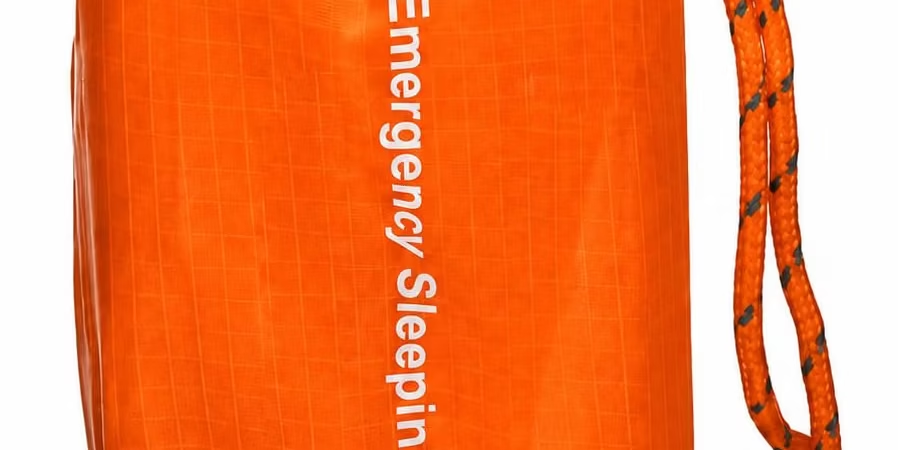
The NovaMedic Emergency Sleeping Bag is a thermal Mylar bivy-style shelter designed around that idea. Listed at approximately 84 by 36 inches, it is intended to provide an emergency sleeping or protective layer while remaining lightweight and compact enough for outdoor kits, camping equipment, hiking packs, and travel bags.
Unlike a conventional insulated sleeping bag, an emergency Mylar sleeping bag is not designed to provide the same type of lofted insulation. Instead, its reflective material is intended to help reduce heat loss by reflecting some radiant body heat back toward the user. The design also emphasizes portability and protection from environmental moisture.
Understanding this distinction is important. An emergency bivy bag can be a useful component of an outdoor preparedness system, but it should not automatically be treated as a replacement for a properly rated sleeping bag, insulated shelter, or other equipment intended for extended exposure to severe weather.
The NovaMedic emergency sleeping bag can be considered as a supplementary item for camping, hiking, travel, emergency kits, and outdoor preparedness. Its relatively large dimensions, reflective material, waterproof-oriented construction, and compact format are all characteristics that can make this type of product useful in situations where space and weight matter.
This guide explains how emergency Mylar sleeping bags work, where they may be useful, how they differ from conventional sleeping bags and emergency blankets, and what users should consider before relying on one as part of an outdoor or emergency kit.
Key Features
84-by-36-Inch Format
The listed dimensions of approximately 84 by 36 inches provide a substantial amount of coverage compared with a small emergency blanket.
The length can accommodate many adults when the product is used as a bivy-style covering, although individual fit depends on body height, body shape, clothing, and how the bag is positioned.
The width also allows the user to enter the bag rather than simply placing a flat sheet over the body.
Dimensions are especially relevant when evaluating emergency equipment because a product that is technically compact may still need to provide enough coverage for its intended user.
Before an outdoor trip, users should consider their own height and whether they may need to use the bag while wearing additional clothing.
Thermal Mylar Material
The product uses reflective Mylar-style material as part of its thermal design.
Mylar is a polyester film known for its strength, light weight, and reflective characteristics. Emergency blankets and bivy products commonly use reflective films because they can help reflect radiant heat.
This works differently from conventional sleeping-bag insulation.
A traditional insulated sleeping bag generally contains material that traps air around the body. A reflective emergency bag instead relies heavily on the reflective surface to reduce radiant heat loss.
That means an emergency Mylar bag should be understood as a thermal aid rather than a substitute for a heavily insulated sleeping system.
Lightweight Construction
One of the major reasons emergency bivy bags are useful for outdoor preparedness is portability.
An emergency bag can be carried inside a backpack, vehicle emergency kit, camping box, or travel luggage without requiring the space associated with a conventional sleeping bag.
For hikers, this can be particularly useful because every item contributes to the total load.
A lightweight emergency layer can be carried even when the user hopes never to need it. That is an important characteristic of emergency equipment: its value often comes from availability when circumstances change unexpectedly.
Compact Storage
The NovaMedic sleeping bag is designed to be compact when stored.
Compact emergency equipment can be easier to organize than larger outdoor gear. A small emergency kit might include water, food, first-aid supplies, lighting, communication equipment, navigation tools, and weather protection. A compact thermal bivy can fit alongside these items without consuming the space required by full-size camping bedding.
Users should distinguish between the bag’s packed dimensions and its dimensions when fully opened. The storage size is generally much smaller than the usable size.
Waterproof-Oriented Design
The product is described as waterproof, which is relevant to outdoor emergency use.
Protection from rain and external moisture can be valuable because staying dry is an important part of maintaining body warmth.
However, waterproof does not mean that the user can safely remain exposed to any weather condition indefinitely. Rain protection, wind protection, insulation, and shelter are separate considerations.
A waterproof emergency bivy may help reduce direct exposure to precipitation, but it does not replace a properly designed tent, tarp, or other weather shelter when extended outdoor exposure is expected.
Reflective Appearance
The reflective surface has a practical purpose in addition to its distinctive appearance.
Reflective emergency materials can help make a person more visible under certain conditions. This may be relevant when an outdoor emergency requires signaling or when someone needs to make their location easier to identify.
Visibility is affected by lighting, terrain, vegetation, weather, and the surrounding environment, so reflective material should not be treated as a guaranteed signaling solution.
A dedicated whistle, flashlight, headlamp, or other signaling equipment can still be valuable components of an emergency kit.
How It Can Be Used
Emergency Camping
An emergency bivy can be included in a camping setup as a backup layer.
For example, if a planned overnight trip becomes colder than expected, the emergency bag may provide an additional reflective layer around the user.
It can also be useful if camping equipment becomes damaged or unavailable.
However, it is important to understand the difference between emergency backup equipment and primary camping equipment. A conventional sleeping bag selected for the expected temperature range should generally remain the primary sleeping solution when a normal overnight camping trip is planned.
The emergency bivy can serve as an additional contingency layer.
Hiking and Backpacking
Hikers often prioritize equipment that provides useful functionality without excessive weight.
An emergency bivy fits naturally into this approach. It can be stored in a backpack and carried throughout the trip without requiring the space of a full sleeping system.
Its usefulness becomes more apparent when an unexpected delay occurs.
A route may take longer than anticipated. Weather may change. A trail may become difficult to navigate. An injury or fatigue may prevent the group from reaching its intended campsite.
In such circumstances, having an emergency thermal covering available can be preferable to having no additional protection at all.
Vehicle Emergency Kits
An emergency sleeping bag can also be stored in a vehicle.
Cars and other vehicles can become unexpectedly stranded because of mechanical problems, severe weather, road closures, or other disruptions.
A compact thermal bivy can form part of a broader vehicle emergency kit alongside:
- Drinking water
- Non-perishable food
- Flashlight or headlamp
- Spare batteries
- First-aid supplies
- Phone charging equipment
- Basic tools
- Reflective clothing or warning equipment
- Blankets
- Weather-appropriate clothing
The exact contents of an emergency kit should be adapted to the environment, season, vehicle, and travel patterns.
Emergency Preparedness at Home
Emergency thermal blankets and sleeping bags can also be stored at home.
Power outages during cold weather can create situations where maintaining body warmth becomes more difficult, particularly if heating systems depend on electricity.
A compact emergency bivy can be stored with other emergency supplies and used as a supplementary thermal layer if necessary.
It should not be viewed as a replacement for safe heating, appropriate shelter, or emergency services when a serious situation develops.
Travel
Travelers can include compact emergency equipment in luggage, especially when visiting remote areas or participating in outdoor activities.
A thermal bivy can take up much less space than a full sleeping bag, making it practical as a contingency item.
This can be particularly relevant during road trips, hiking vacations, camping excursions, and other trips where unexpected outdoor exposure is possible.
Emergency Overnight Situations
A bivy-style emergency bag may be useful if a person unexpectedly needs to remain outdoors overnight.
For example, a hiker may become unable to continue safely before reaching a planned destination.
In that situation, the emergency bag can provide an additional protective layer while the person waits for daylight, assistance, or safer conditions.
The priority should remain finding appropriate shelter and contacting emergency services when necessary. The bivy is a supplementary piece of equipment, not a guarantee of safe overnight survival.
Understanding How Reflective Emergency Bags Work
To understand the purpose of a Mylar bivy, it helps to distinguish several ways the human body loses heat.
Radiation
The body continuously emits infrared radiation.
Reflective materials can reflect a portion of this radiant energy back toward the body rather than allowing it to radiate outward as easily.
This is one of the main principles behind emergency foil blankets.
Convection
Moving air can carry heat away from the body.
Wind can therefore make cold conditions significantly more uncomfortable.
An emergency bag can reduce direct air movement around parts of the body, although its effectiveness depends on how it is used and how exposed the person remains.
Conduction
Heat can also move from the body into colder surfaces.
This is why sleeping directly on cold ground can be problematic even when a person has a protective covering.
A thermal bivy does not eliminate the need for insulation underneath the body. A sleeping pad, foam mat, dry clothing, or another suitable insulating layer can be important when ground temperatures are low.
Evaporation
Moisture can contribute to heat loss.
Sweat, rain, and wet clothing can make a person feel significantly colder.
A waterproof emergency bag can help protect against external moisture, but condensation can become an issue inside enclosed reflective materials.
This is another reason emergency bivy bags should not automatically be treated like conventional breathable sleeping bags.
Who It May Be Suitable For
Hikers
Hikers who regularly travel away from roads or populated areas may benefit from carrying lightweight emergency equipment.
An emergency bivy can be particularly relevant on longer or more remote routes where returning quickly may not be possible.
Backpackers
Backpackers can use a compact thermal bag as a contingency item.
Because it takes less space than a full sleeping bag, it can be easier to carry as backup equipment.
Campers
Campers can keep an emergency bivy in their primary gear container.
It may be used as an additional thermal layer or emergency backup if normal sleeping arrangements are disrupted.
Road-Trippers
People who travel long distances by car can include an emergency sleeping bag in their vehicle preparedness kit.
This is particularly useful for travelers who regularly drive through areas where weather conditions can change quickly.
Outdoor Workers
People who spend significant time outdoors may carry emergency thermal equipment as part of their general safety kit.
The exact equipment required depends on the job, environment, workplace regulations, and expected hazards.
Emergency Preparedness Enthusiasts
People who maintain household or vehicle emergency kits may appreciate equipment that can be stored for long periods without requiring much space.
The compact nature of a thermal bivy makes it relatively easy to include alongside other emergency supplies.
Important Things to Consider
Do Not Treat It as a Conventional Sleeping Bag
One of the most important considerations is understanding the difference between an emergency Mylar sleeping bag and a conventional insulated sleeping bag.
A conventional sleeping bag is designed to provide sustained insulation through its fill material and construction.
A Mylar emergency bivy is primarily a lightweight emergency thermal barrier.
The two products can complement one another, but they are not interchangeable for every situation.
Consider the Weather
Before relying on any emergency thermal product, consider the actual environment.
Temperature is only one variable. Wind, rain, snow, humidity, altitude, and ground temperature can all affect a person’s ability to remain warm.
If severe weather is expected, a properly rated sleeping bag and suitable shelter should be used as the primary system.
Wind Protection Matters
Wind can rapidly increase heat loss.
A reflective bivy may reduce some exposure, but an exposed person can still experience significant wind chill.
A tent, tarp, vehicle, building, or other appropriate shelter can provide additional protection.
Ground Insulation Is Important
A person lying directly on cold ground can lose substantial heat through conduction.
An emergency bag placed around the body does not automatically insulate the underside effectively.
A sleeping pad or other suitable ground insulation can therefore be an important addition to the system.
Condensation Can Accumulate
Reflective emergency materials are generally less breathable than conventional sleeping-bag fabrics.
Moisture from breathing and perspiration can accumulate inside the bag.
If conditions permit, ventilation should be considered while still maintaining appropriate protection from the environment.
Consider Durability
Thin emergency films are lightweight partly because they use minimal material.
This makes them convenient to carry but also means they should be handled carefully.
Sharp branches, rocks, rough surfaces, and excessive pulling can potentially damage thin materials.
Before use, inspect the bivy and choose a reasonably clear surface.
Check Dimensions
The stated dimensions are approximately 84 by 36 inches, but users should consider their own body size and how they intend to use the bag.
People who are particularly tall or who plan to use substantial clothing layers should check whether the available space is sufficient.
Emergency Equipment Should Be Tested Beforehand
It can be useful to open the packaging before an actual emergency and understand how the product unfolds.
Emergency situations can be stressful. Knowing how equipment works ahead of time reduces unnecessary confusion.
If the product is intended for long-term emergency storage, periodically inspect the packaging and contents according to the manufacturer’s guidance.
Comparison of General Categories
Emergency Mylar Bivy Bags
Emergency bivy bags prioritize low weight, compact storage, and basic thermal protection.
They are particularly useful as backup equipment.
Their limitations include reduced breathability, limited insulation compared with conventional sleeping bags, and potentially lower durability than heavier outdoor gear.
Emergency Blankets
Emergency blankets use similar reflective principles but are generally flat rather than bag-shaped.
They can cover the body and are extremely compact.
However, because they do not surround the user in the same way as a bivy, they may require more effort to position securely in windy conditions.
Conventional Sleeping Bags
Traditional sleeping bags use insulation to create a warmer microenvironment around the sleeper.
They are more appropriate as primary overnight bedding for planned camping.
Their disadvantages for emergency kits include greater weight, larger packed dimensions, and potentially higher storage requirements.
Bivy Sacks
A conventional bivy sack is a lightweight shelter that typically surrounds a sleeping bag.
It can provide weather protection while reducing the need for a full tent in certain outdoor setups.
Unlike a thin emergency Mylar bivy, a conventional bivy sack is generally designed as durable outdoor equipment and may provide greater protection from the environment.
Camping Blankets
Camping blankets are versatile and can provide warmth around a campsite.
They may be easier to use casually than a sleeping bag, but their larger packed size and lack of an enclosed design can make them less practical for certain emergency applications.
Creating a More Complete Emergency Sleep System
An emergency thermal bivy works best when combined with other appropriate equipment.
Shelter
A tarp, tent, vehicle, or other suitable shelter can reduce exposure to wind and precipitation.
Ground Insulation
A foam pad, sleeping mat, or other insulating surface can reduce conductive heat loss.
Dry Clothing
Dry layers can provide additional insulation. Wet clothing should be changed when practical.
Head Covering
A suitable hat or hood can reduce exposed surface area and help maintain comfort.
Water and Nutrition
Emergency preparedness should not focus exclusively on warmth. Hydration and appropriate nutrition are also important during extended outdoor situations.
Communication Equipment
A phone, satellite communication device, whistle, or other appropriate signaling equipment can be essential when someone is stranded or injured.
Lighting
A headlamp or flashlight can improve visibility after dark and help with navigation, signaling, and campsite tasks.
The emergency sleeping bag is therefore best understood as one component within a broader preparedness system.
Practical Tips for Using an Emergency Bivy
Before a trip, store the bivy where it can be reached easily rather than burying it beneath other equipment.
If an emergency occurs, choose a location that offers as much natural protection as possible from wind, rain, and other environmental exposure.
Avoid placing the bag directly on sharp rocks, branches, or other surfaces that could puncture the material.
If the bivy becomes wet inside due to condensation, manage moisture as conditions permit.
Use additional ground insulation whenever available.
When conditions become severe, seek a safer shelter and contact emergency services or appropriate rescue resources rather than relying solely on the bivy.
After use, inspect the material for damage and follow the manufacturer’s recommendations for storage or replacement.
Frequently Asked Questions
What is a thermal Mylar sleeping bag?
A thermal Mylar sleeping bag is an emergency body covering made using reflective material. Rather than relying primarily on thick insulation, it is designed to reflect some radiant body heat and provide a lightweight barrier against environmental exposure.
What are the dimensions of the NovaMedic Emergency Sleeping Bag?
The product is listed at approximately 84 inches long and 36 inches wide. Users should compare these dimensions with their own height and expected clothing layers before relying on it for emergency use.
Is it a replacement for a normal sleeping bag?
Not generally. An emergency Mylar bivy and a conventional insulated sleeping bag serve different purposes. The emergency bivy is better understood as lightweight backup equipment, while a properly rated sleeping bag is generally more appropriate as the primary sleeping system for planned camping.
Can it be used for hiking?
Yes. Its compact nature makes an emergency bivy suitable for inclusion in hiking and backpacking packs as a contingency item.
Is it suitable for camping?
It can be used as emergency camping equipment or an additional thermal layer. For planned overnight camping, users should select primary sleeping equipment according to the expected weather conditions.
Does the Mylar material provide warmth?
The reflective material is designed to help reduce radiant heat loss by reflecting some body heat back toward the user. It does not generate heat and should not be treated as equivalent to a heavily insulated sleeping bag.
Is the emergency sleeping bag waterproof?
The product is described as waterproof. Water resistance can help protect against external moisture, but users should still use appropriate shelter and avoid assuming that a single emergency bag provides complete protection from prolonged severe weather.
Can it be used in cold weather?
It can provide additional thermal protection in cold conditions, but suitability depends on the severity of the environment. In very cold weather, appropriate shelter, insulation, clothing, and a properly rated sleeping bag are important.
Can an emergency bivy be reused?
Reusability depends on the condition of the material after use. Thin reflective films can be damaged by punctures, tears, or rough handling. Inspect the product after use and follow the manufacturer’s recommendations.
Can it be used inside a regular sleeping bag?
An emergency bivy may be used as part of a layered emergency setup, but users should consider condensation and moisture accumulation. It is important not to assume that adding reflective material automatically improves comfort in every condition.
Why is a sleeping pad still important?
A sleeping pad provides insulation between the body and the ground. An emergency bivy primarily surrounds the body and does not eliminate conductive heat loss through the surface underneath the user.
Is it useful in a car emergency kit?
Yes. Its compact format can make an emergency bivy practical for vehicle preparedness kits, particularly for people who travel through areas where weather-related delays or unexpected overnight situations are possible.
Can children use an emergency sleeping bag?
Children should only use emergency equipment under appropriate adult supervision and according to the product’s intended use and safety guidance. Adults should consider the child’s size, the environment, ventilation, and the need for additional warmth or shelter.
Conclusion
The NovaMedic Emergency Sleeping Bag is designed as a compact thermal bivy for situations where lightweight emergency protection from the elements may be useful. Its approximately 84-by-36-inch format, reflective Mylar-style material, waterproof-oriented construction, and compact storage make it relevant to hiking packs, camping equipment, vehicle emergency kits, travel bags, and general preparedness supplies.
The most important point to understand is that an emergency bivy is different from a conventional sleeping bag. Its reflective material can help reduce radiant heat loss, while its lightweight design makes it practical to carry as backup equipment. It does not provide the same type or level of insulation as a properly rated cold-weather sleeping bag.
For planned camping, the emergency bivy can complement a suitable sleeping bag, sleeping pad, and shelter. For hiking and backpacking, it can provide a compact contingency option if an unexpected overnight situation develops. In a vehicle or home emergency kit, it can provide another layer of preparedness without requiring much storage space.
Environmental conditions should always determine how the product is used. Wind, rain, snow, ground temperature, humidity, and a person’s clothing all influence thermal comfort. A suitable shelter, ground insulation, dry clothing, communication equipment, and access to emergency assistance remain important parts of responsible outdoor preparation.
An emergency sleeping bag is most useful when it is treated as one component of a larger safety plan rather than as a complete solution to severe weather exposure. Understanding its reflective construction, limitations, dimensions, and appropriate applications can help users incorporate it more effectively into their camping and emergency preparedness equipment.
For hikers, campers, travelers, and people assembling emergency kits, the NovaMedic Emergency Sleeping Bag can be considered as a compact thermal backup option. Reviewing the specific product information and preparing it alongside other appropriate equipment can help ensure that it is ready if an unexpected outdoor situation occurs.